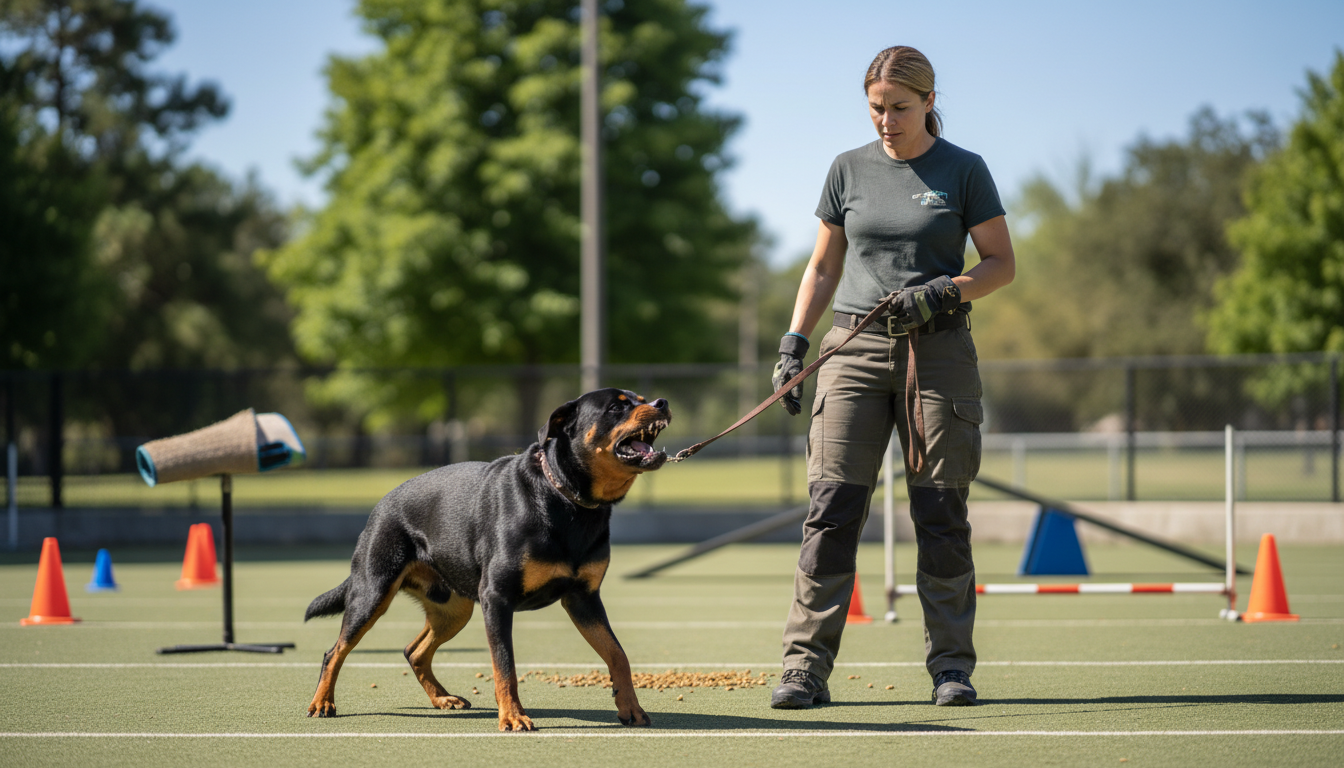
You never expect a calm companion to show teeth. One evening, after a long day, your pet freezes at the doorway, gives a low growl, and you feel that cold warning in the room. That moment forces you to act with care.
Many owners face this and seek professional help. Aggression is the top reason people call trainers, behaviorists, and veterinarians. Understanding root causes and clear steps for training reduces risk and eases stress for your family.
Every animal is unique. With time and steady work, you can change problem behaviors. Start by spotting early signs, avoid quick fixes, and focus on building trust. Fear often drives these reactions, so addressing emotion is key for lasting safety.
Key Takeaways
- Spot early signs like growling and retreating; act calmly.
- Seek a certified behaviorist or veterinarian when risk is present.
- Training with positive reinforcement lowers future incidents.
- Fear is a common root; address feelings first, then conduct work.
- You are not alone—many people need expert help to restore peace.
Understanding Aggressive Dog Behavior
“Aggression is behavior used to increase distance from or eliminate a provocative stimulus or threat.”
You can think of this as a space-saving move. When your pet growls or snaps, they often try to push a perceived threat away.
This reaction—while alarming—is a natural way for dogs to protect themselves or their things. It is not always a sign of a permanently hostile animal. Every animal can show aggression if the reason is strong enough.
Label the act as aggressive rather than calling your companion aggressive. That shift helps you focus on specific triggers and clearer plans.
- Watch for early signs like stiff posture or low growls.
- Learn the subtle signals so you can step in before escalation.
- Take a calm, objective approach to keep people and pets safe.
Identifying the Root Causes of Aggression
Some reactions come from territory, some from fear, and some from plain frustration—each needs its own plan. Take a few moments to note when and where your pet shows warning signs. Many issues start between one and three years of age as puppies reach adolescence.
Territorial and Protective
Territorial guarding often appears when a dog defends the home or yard. Protective reactions surface when a family member looks threatened. Studies show a large share of pets bark or act unfriendly around strangers, which is usually a turf or protect response.
Possessive and Fear
Possessive guarding centers on food, toys, or resting spots. This comes from an old need to compete for resources. Fear-based aggression often occurs when an animal feels trapped and lashes out to increase distance.
Social and Frustration
Social challenges happen when a dog views itself as higher status and contests space or resources. Frustration-elicited reactions show when the animal is aroused but restrained. Redirected or pain-related cases can be sudden and dangerous, so treat each situation seriously.
Recognizing Early Warning Signs
Listen closely: small shifts in posture are the first quiet alerts your pet gives.
Michael Shikashio’s teapot analogy fits here. Think of low growling like the first crackles under a pot. If you act early, you can prevent a whistle—the bite—later on.
“Growling is like the whistle of a boiling pot, signaling a need to intervene.”
The Teapot Analogy
Why this matters: small cues are easier to change than full escalation.
- Head turn, freezing, or whale eye are clear warning signs you must notice.
- Tail flagging or a tucked tail signals rising stress and limited comfort.
- Lip licking or turning away are subtle requests for space from a person.
- Never punish a growl; it is a vital warning that your companion needs a change in the situation.
| Sign | What it looks like | Action you can take |
|---|---|---|
| Head turn | Avoids eye contact; looks away | Give space and remove the trigger |
| Whale eye | Shows the whites of the eyes | Stop interaction and create distance |
| Freezing / stiff posture | Body becomes rigid | Calmly step back and reduce stimulation |
| Lip licking / yawning | Quick, repeated mouth movements | Pause the situation and offer a break |
Spend time watching your pet. Every animal shows unique signs, and paying attention lets you predict when a situation is getting too much.
Aggressive Dog Behavior Causes and How to Fix It Safely
Start with a clear safety plan that puts people and pets first.
Keep calm. When you spot early warning signs, step back and lower the tension in the room. Quick, steady moves protect everyone while you assess the situation.
Manage the environment. Remove triggers, use gates or crates, and limit access to high-stress zones. These steps reduce the chance of escalation and give you space to work on change.
Get professional support. A certified trainer or veterinary behaviorist can map out a plan that fits your household, especially when aggression shows toward people or other dogs.
- Spot signs early and intervene calmly.
- Use management tools to remove immediate risk.
- Build a consistent training routine and be patient.
| Goal | Immediate Steps | Long-term Work |
|---|---|---|
| Safety | Use barriers, muzzles if needed, supervise interactions | Create management routines and emergency plans |
| Reduce triggers | Limit access to known stressors | Desensitization and counterconditioning with a pro |
| Improve reactions | Stay calm, remove audience, avoid punishment | Consistent positive training and veterinary checks |
Remember: your pet is more than a set of signs. With the right plan, guidance, and patience, you can improve life for everyone in your home.
Essential Safety Management Tools
Practical management tools let you control situations while you work on training.
Start with equipment that protects people and animals without increasing stress.
Leash and Muzzle Safety
Using a leash or tether gives you steady control and keeps distance from triggers. This reduces the risk of a sudden lunge at people or other animals.
A basket muzzle is a reliable option when your companion’s comfort zone is breached by visitors or other pets. Introduce the muzzle positively so your pet learns it is safe, not a punishment.
Crate and Confinement
Crates offer a quiet retreat during meals or busy times, and they prevent conflicts over food or toys.
“Use tools to manage risk, not to punish; safety is the first step toward lasting change.”
- Head halters help redirect focus on walks and lower the chance of a reaction.
- Never leave a tethered animal unattended; this can increase frustration and risk.
- Baby gates and barriers let you control access to food, resting spots, and family areas.
- Combine every tool with consistent training so your pet feels secure rather than trapped.
For crate ideas and safe setup, check trusted options like the crate options that fit your home and family routine.
| Tool | Main Use | Quick Tip |
|---|---|---|
| Leash / Tether | Maintain distance from triggers | Use a sturdy leash and keep control at all times |
| Basket Muzzle | Safe handling during high-risk moments | Introduce gradually with treats and praise |
| Crate | Secure retreat during busy periods | Make it comfy; never use for punishment |
| Head Halter | Redirect focus on walks | Fit properly and train with short sessions |
| Baby Gates | Limit access to food, toys, or people | Place at choke points; supervise interactions |
When to Seek Professional Help
When warning signs grow more frequent, it’s time to call in trained specialists.
Seek help immediately if your pet has bitten before or if aggression toward family members rises. These cases carry real risk and need an outside assessment.
A veterinary behaviorist or certified consultant can assess prognosis and make a clear safety plan. They identify specific triggers and show how to avoid them at home.
If you struggle to manage changes, see a veterinarian first to rule out pain or medical issues. Never handle severe incidents alone; the chance of injury to people is too high.
“An objective expert can spot hidden signs and protect both people and animals.”
- Be honest about past signs and missed warnings.
- Choose programs that use positive reinforcement, not punishment.
- Let professionals help you weigh options, including welfare-based choices.
| When to Call | Who Can Help | Immediate Steps |
|---|---|---|
| History of bites or escalation | Veterinary behaviorist or certified consultant | Manage space, use barriers, seek vet check |
| Aggression toward family or strangers | Certified trainer or vet | Stop interactions, protect people, document incidents |
| Unclear triggers or sudden change | Veterinarian then behaviorist | Rule out medical causes, then create a behavior plan |
Behavior Modification Techniques
A steady, stepwise plan lets your companion learn that triggers can predict good things. Use short sessions and clear timing so your pet feels safe while learning new responses.
Desensitization and Counterconditioning
Desensitization means you expose your animal to a trigger at a distance where they stay calm. Gradually shorten that distance across many short sessions.
Counterconditioning swaps a negative feeling for a positive one. Michael Shikashio calls it a “treat party”: the dog gets high-value treats for staying calm near a trigger.
Operant Conditioning
Operant training teaches an alternate action, like looking at you or going to a mat, instead of reacting. Reward the choice you want with treats and praise.
“Every successful session builds trust between you and your dog.”
Practical notes: If pain may be present, see a veterinarian first. Don’t punish growling — that warning gives you vital information. For complex aggression toward people or other animals, work with a certified behaviorist and expect steady time and consistent training.
| Method | Core Idea | When to Use |
|---|---|---|
| BAT | Move-at-your-dog, reward calm choices | Social or reactivity cases |
| CAT | Build desired actions with constructional steps | Escalating aggression cases |
| Operant | Teach alternate responses with rewards | Any training that replaces a reactive act |
Addressing Medical and Physical Factors
A full veterinary exam can reveal hidden issues that mimic training problems. Conditions like psychomotor epilepsy or hormonal imbalance sometimes underlie sudden changes. A clear medical picture is the first step.
An otherwise gentle animal can snap when in pain. Rule out orthopedic problems, infections, or internal illness before changing routines.
Your veterinarian may recommend medication that lowers anxiety and helps your pet learn during sessions. Treating pain often makes training more effective.
“You can’t change reactions if the body is hurting.”
- Consider diet and food sensitivities as stress drivers.
- Note that fearful dogs often show more aggression when uncomfortable.
- Take precautions when handling any animal that may be in pain.
| Concern | What the vet checks | Quick action |
|---|---|---|
| Pain | Ortho exam, X-rays | Manage pain, limit handling |
| Neurologic | Seizure screening, bloodwork | Refer to specialist |
| Diet | Allergy testing, trial diets | Adjust food plan |
Regular checkups catch issues early. By treating the whole animal, you give the best chance for success in any behavior plan.
Conclusion
As you finish this journey, small wins add up into meaningful change.
Keep safety first while you work on aggressive behavior and daily routines. Seek a professional when a pattern of dog aggressive acts appears, and let medical checks rule out pain or illness.
Progress needs time. Use clear training steps, steady management, and short sessions that build trust. Each calm moment is a victory for your pet and your family.
Stay patient, ask for help, and celebrate small gains. With commitment, you can reduce dog aggression and improve dog behavior over the long run.