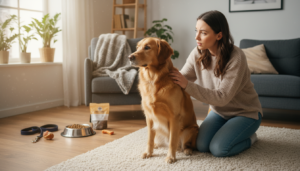
Start small, stay kind. Imagine bringing a worried little pup into the living room, and by the end of the afternoon that same pet is dozing with a paw in your lap. That first gentle touch can turn a stressful chore into a quiet moment you both enjoy.
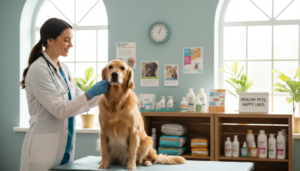
You’ll learn basic grooming routines that protect coat and skin, check for lumps or soreness, and make nail care less scary. Use praise, treats, and short sessions. Many professional groomers welcome owners who want lessons and can show tools, brushing techniques, and safe use of clippers.
Regular sessions help you spot health issues early and strengthen the bond between you and the animal. Whether you start by watching a pro or practicing gentle touches, the key is consistent, calm leadership and the right supplies.
Key Takeaways
- Grooming builds trust and helps spot health changes like lumps or skin irritation.
- Short, positive sessions teach most pets to enjoy care at home.
- Consult professional groomers for personalized tips and tool demos.
- Gather basic tools: brush, clippers, nail trimmers, toothpaste, and gentle shampoo.
- Set aside regular time each week for coat, ear, nail, and teeth checks.
Why You Should Groom Your Dog at Home
A simple grooming routine at home cuts costs and keeps you tuned in to your pet’s health. Regular checks save cash — a salon visit can top $100 every 6–12 weeks. Small sessions also reduce shedding and prevent painful matting.
Hands-on care builds trust. Short, calm sessions make most dogs more comfortable with handling. You will spot fleas, ticks, lumps, or skin changes long before they worsen.
- Save money versus frequent salon trips.
- Catch parasites and skin issues early for better health.
- Prevent overgrown nails and common ear infections.
- Strengthen your bond through steady, positive time together.
- Keep coat and skin clean for comfort across seasons.
With basic supplies and a steady rhythm, regular grooming becomes simple care that keeps dog feeling and looking better. Small habits deliver big benefits for both you and your companion.
Essential Tools for Your Grooming Kit
Start by assembling a compact kit so you’re ready for quick touch-ups and deeper care. The right tools make brushing easier and keep a coat healthy between baths.
Choosing the Right Brushes
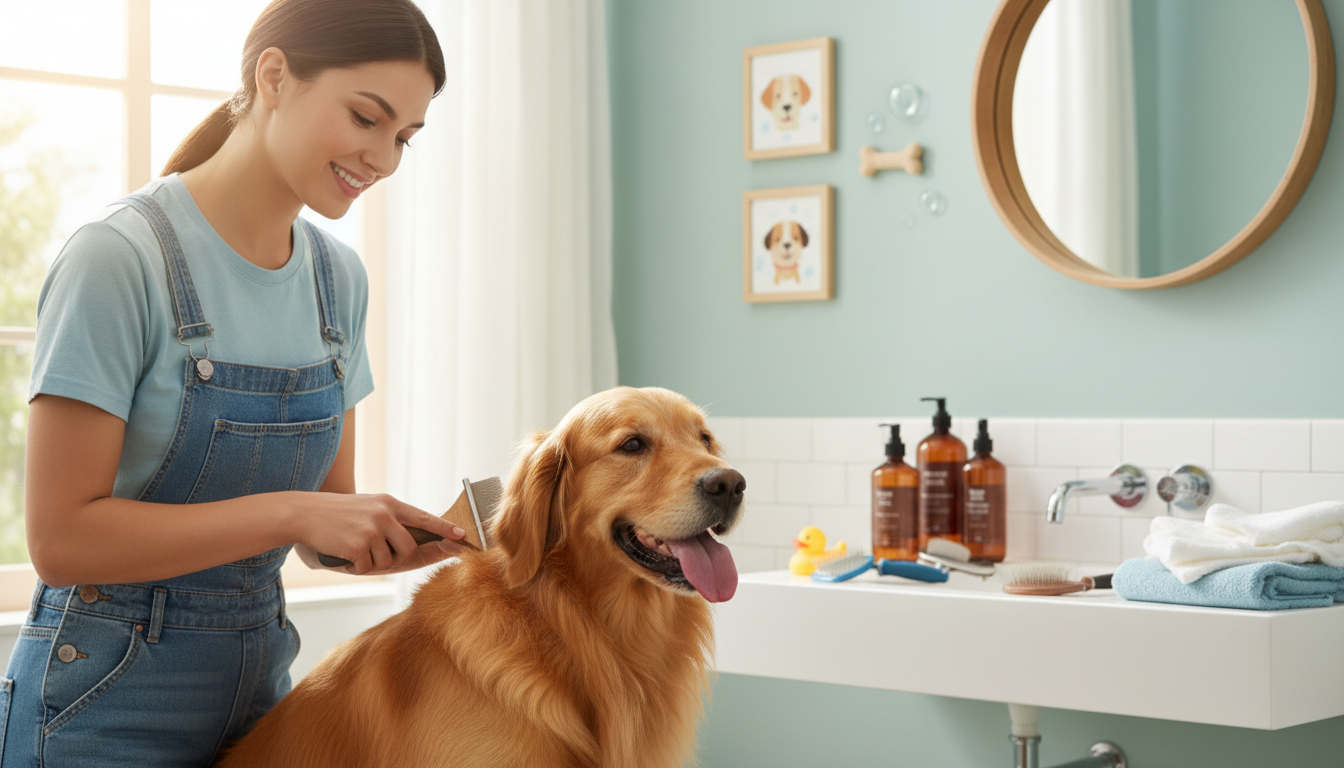
Match the brush to the coat: use a pin brush for long, straight coats and a slicker brush for medium-length hair or dense undercoats.
A good metal comb helps work out small knots that a brush might miss and shows whether you’ve reached the skin during brushing.
Safety Supplies
Keep styptic powder in your kit so you can stop minor bleeding if you trim a nail too close to the quick.
Use dog-specific shampoo suited for your pet’s age. Puppies need gentler formulas. Never use human products — they can irritate a dog’s skin and upset natural pH balance.
- You’ll need a slicker or pin brush depending on hair texture.
- Include a high-quality metal comb for tangles and small knots.
- Always have styptic powder for nail mishaps.
- Choose shampoo and conditioner made for dogs and puppies.
- Add clippers and ear-cleaning supplies so tools cover nails, ears, and coat care.
How to Groom Your Dog at Home for Beginners Step by Step
Start by setting a relaxed scene: soft light, treats ready, and all tools within reach. Short sessions build trust and keep the process calm.
Work in order so each part feels familiar: begin with the coat, then ears, nails, bath, and finish with teeth.
- Brush the coat well to remove tangles and loose hair before any water or shampoo touches the fur.
- Clean ears gently with a vet-safe solution and a soft cloth; check eyes for discharge or redness.
- Trim nails slowly. If you feel nervous, trim one nail per foot each day until you build confidence.
- Bathe using lukewarm water and a mild dog shampoo. Rinse thoroughly so skin does not get irritated.
- Brush teeth with a canine toothbrush and toothpaste designed for pets to reduce dental issues.
Make sure you have clippers, a comb, toothpaste, and high-value treats on hand. Use treats often so your pet links grooming with reward.
Keep sessions short and finish on a positive note. If certain things feel hard, consult professional groomers for a demo and extra tips.
Mastering the Brushing and Combing Process
Daily combing removes loose hair and helps you spot skin problems fast. Short, regular sessions keep a coat shiny and cut down on shedding around the house.
Techniques for different coat types: Work from the back forward in neat lines so you reach the skin. Use a curved wire slicker or pin brush for long, straight fur. Use a rubber curry for short, smooth hair. Rakes work best for dense undercoats during heavy shedding season.
Managing shedding
Remove loose undercoat with a rake during peak months. Gentle detangler helps untie knots before you comb. Give small treats so your pet stays calm and learns that brushing is pleasant.
Checking for skin issues
While you brush, look for redness, hot spots, ticks, or sores. If you find anything unusual, stop grooming and call your veterinarian for a checkup. Regular checks also keep nails, ears, and eyes in mind while you work the coat.
Safe Bathing Techniques for a Clean Coat
Warm, steady water and a reassuring voice make bath time safer and calmer. Use warm water so your pet stays comfortable and does not form a negative memory of tubs. Support dogs in the tub so they feel secure during the entire process.
Apply shampoo from the neck back. Keep lather away from the eyes, ear openings, and mouth to avoid irritation. Place cotton balls gently in each ear before wetting to help keep the canal dry.
Rinse carefully and take your time. Leftover soap dries the skin and can cause itching. After a full rinse, an optional conditioner helps detangle hair and makes the final brush glide easier.
Drying Your Pet Properly
Towel dry vigorously and remove excess moisture. On cool days, finish with a pet-safe hair dryer on low heat. Keep the nozzle moving and never aim hot air at a single spot.
- Only bathe when truly dirty and use a mild, canine-formulated shampoo.
- Avoid the eyes and ear openings while lathering.
- Use treats during the bath to reward calm behavior and build positive associations.
- Thorough rinsing is key to a clean coat and healthy skin.
Managing Nail and Paw Care
Clicking nails on hardwood mean it’s time for a trim and some focused paw care. Short nails keep paws comfortable and preserve a normal gait.
Always inspect the quick — that pink line inside the nail — before you cut. If you nick it, press styptic powder on the spot and hold pressure for about 30 seconds.
Trim dewclaws as well. These side nails don’t touch the ground and can overgrow. Also trim hair between the paw pads so the dog keeps traction on slick floors.
If you feel nervous, handle paws often in calm moments so dogs accept the process. Use clippers with a safety guard and trim tiny amounts until you gain confidence.
- Regular trims prevent toes from bending and reduce long-term damage.
- Keep styptic powder within reach for quick bleeding control.
- Check pads for cracks or debris during each session.
| Tool | Best Use | Safety Tip |
|---|---|---|
| Safety-guard clippers | Quick, even trims for medium nails | Trim small pieces; stop if you see the quick |
| Nail grinder | Shaping and smoothing edges | Use low speed and short bursts |
| Styptic powder | Stops bleeding fast | Apply pressure then powder for 30 seconds |
Maintaining Dental and Ear Health
Small, consistent checks of mouth and outer ear cut long-term health risks. Make this a calm habit during weekly care sessions. Keep interactions short and positive so pets accept handling.
Cleaning Ears Safely
Only clean the visible outer ear with a cotton ball dampened in a vet‑approved solution. Never insert cotton swabs or any object into the canal.
If you notice a foul smell, discharge, or redness, call your veterinarian right away. Those signs can mean infection and need prompt attention.
Brushing Teeth for Oral Health
Brush at least a few times each week; daily is best. Use a canine toothbrush and toothpaste made for pets. Human toothpaste can upset digestion or be toxic.
If the animal resists, start by rubbing gums with your finger until it relaxes. Reward calm behavior with praise or a small treat.
“Regular care now prevents costly dental work later.”
| Area | Action | When to Call Vet |
|---|---|---|
| Ears | Wipe outer ear with cotton ball and cleaner | Foul odor, discharge, redness |
| Teeth | Brush with dog toothbrush and toothpaste several times weekly | Persistent bad breath, bleeding gums, loose teeth |
| General | Check mouth and ears during regular grooming | Any swelling or ongoing pain |
Conclusion
strong, Small, regular sessions build confidence and keep a coat healthy over time.
Learning basic dog grooming pays off. You save money, spot issues early, and strengthen your bond. Use the right tools, gentle brushing, and short bursts of attention so hair and skin stay in top shape.
Patience and treats make sessions pleasant. Trim nails carefully, clean teeth gently, and use mild shampoo when needed. If something feels risky, ask a pro for a demo or help.
Final tip: stick with a simple routine and regular grooming. With steady care, your pet will stay cleaner, calmer, and happier.