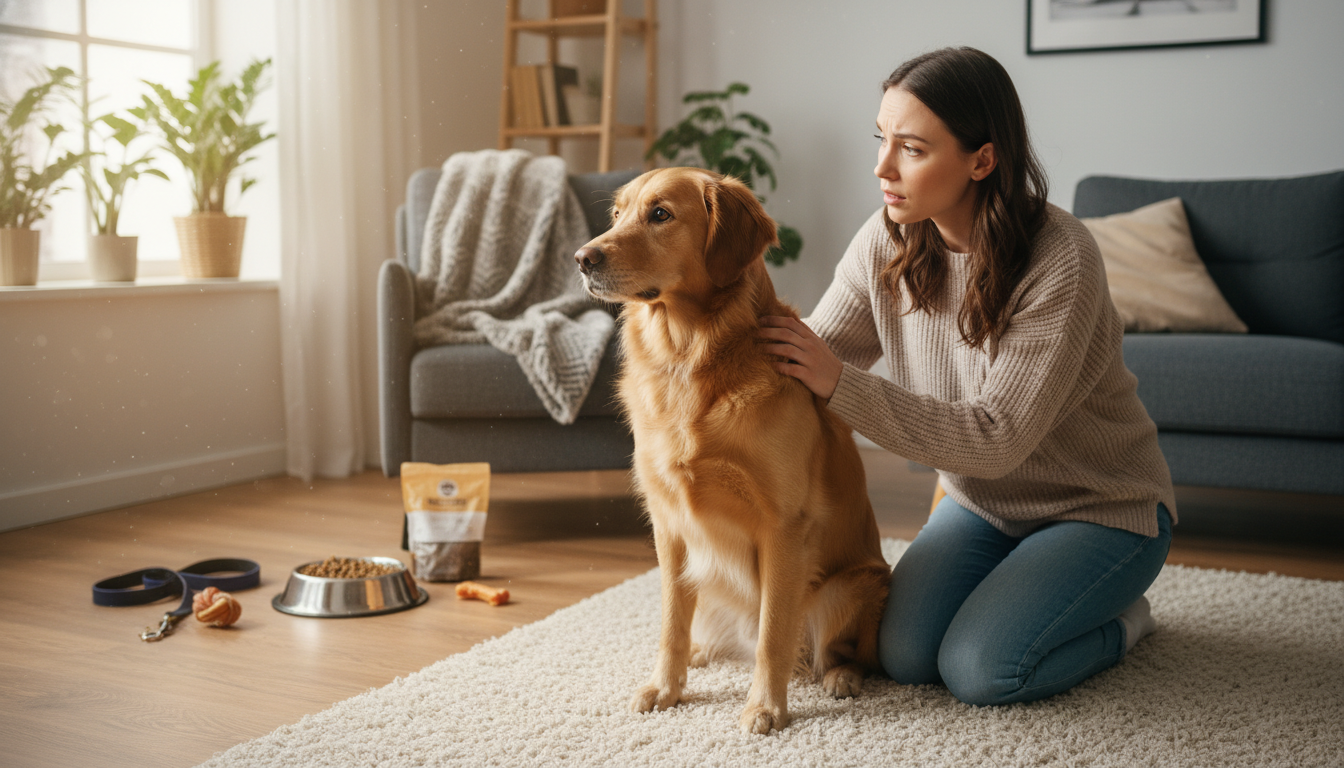
You may have noticed your pet skipping meals while otherwise seeming fine. One evening, a neighbor’s Labrador turned down dinner and then went out to play in the yard. The next day it still drank water and wagged at visitors, leaving everyone puzzled.
This kind of brief loss appetite can feel alarming, even when behavior appears stable. Most adult dogs can go three to five days without food if they keep drinking water. Still, if your companion has not eaten for two days, reach out and contact a veterinarian for guidance.
Watch for changes that hint at a serious sign. Keep fresh water available and check for lethargy, vomiting, or other symptoms over the next 48 hours. Understanding whether the issue is a minor quirk or a real health concern helps you respond calmly and quickly.
Key Takeaways
- Short-term food refusal can be common, especially if water intake continues.
- Most adults tolerate three to five days without food, provided they drink.
- If no food eaten for two days, contact veterinarian promptly.
- Always ensure constant access to fresh water to prevent dehydration.
- Monitor your pet closely for new or worsening signs over the next days.
Understanding Why Is My Dog Not Eating But Acting Normal What to Do
Not eating while appearing fine usually fits into one of three medical categories. Anorexia means a complete lack of appetite. Hyporexia describes reduced interest where your canine still accepts small amounts.
Pseudoanorexia happens when appetite remains intact but a physical problem stops eating food. A throat issue, oral pain, or a neurologic change can create that blockage.
When you spot less interest in the bowl, separate a true loss appetite from picky behavior. Many dogs mask pain well, so even a happy mood can hide a health concern.
- Distinguish anorexia, hyporexia, and pseudoanorexia to guide next steps.
- Brain signals, stomach distention, and hormones often drive refusal.
- Watch if your pet avoids the bowl or simply rejects certain food.
Identifying the right category helps you choose if a simple routine tweak will help or if a vet visit is needed. Keep notes on meals and any other subtle loss in energy or behavior.
Common Behavioral and Environmental Triggers
Environmental shifts often unsettle a pet’s routine and may reduce interest in meals for a short time. Moving, new houseguests, or adding another animal commonly create stress that shows up as skipped bowls. Keep calm and look for clear patterns over a few days.
Stress and Anxiety
Stress can cut appetite quickly. Loud construction, visitors, or a new roommate may make even social pets avoid food.
Feed in a quiet, familiar spot. A calm corner reduces competition and helps restore regular dog eating habits.
Changes in Routine
A shifted schedule, travel, or frequent treats often leads to picky choices and meal skipping.
Keep feeding times consistent and prevent extra snacks from family or other pets. This reduces the chance your companion holds out for tastier options.
- Separate feeding areas for multiple pets to reduce competition.
- Avoid frequent table scraps and high-value treats before meals.
- Watch for ongoing loss appetite; contact your vet if it lasts more than two days.
Potential Medical Issues to Consider
Medical issues can quickly remove interest in meals, so it helps to check possible causes right away. Start by watching for clear signs and timing. Short, focused notes on meals and symptoms help your vet diagnose faster.
Dental and Oral Pain
Dental disease like periodontal problems or a fractured tooth makes chewing painful. A senior dog may also struggle because arthritis slows how it reaches the bowl.
Look for drooling, dropping food, or refusal of hard kibble. These clues point toward mouth pain rather than behavioral picky habits.
Gastrointestinal Upsets
GI issues range from a blocked stomach to infections like parvovirus in puppies. These can cause sudden loss of appetite, lethargy, and vomiting.
Check for a tense abdomen, diarrhea, or repeated retching. An obstruction needs fast vet attention to avoid serious harm.
Underlying Systemic Illness
Systemic diseases such as kidney failure, pancreatitis, or liver problems often reduce food interest. Cancer and metabolic conditions also show up as appetite changes.
If your pet has not eaten for several days, contact veterinarian. Also tell the vet about recent medications or toxin exposure, since those can trigger loss of appetite and other symptoms.
- If a puppy stops eating, seek care quickly due to rapid decline risk.
- Keep a record of treats, meds, and any new signs for the vet.
- Prompt vet evaluation prevents complications and protects overall health.
Assessing the Urgency of Your Dog’s Appetite Loss
A missed meal can mean little for a healthy adult, yet it can signal danger for a puppy or a pet with chronic illness. Note age, recent changes, and any new symptoms right away.
If your pet has skipped a couple meals and shows lethargy, vomiting, or other worrying signs, act quickly. When food and water are refused together, treat that as a major red flag.
For puppies, any skipped meal calls for prompt advice. Puppies cannot go as long without food as adults and can decline fast.
If a diabetic pet misses a single meal, contact veterinarian immediately. Insulin response can cause dangerous drops in blood sugar.
- Track how many days your pet has gone without eating and note any symptoms.
- Call your vet if no food eaten for a couple of days or if sudden loss appetite comes with vomiting.
- Keep clear records of recent treats, meds, or possible toxin exposure for the clinic.
Simple Home Remedies to Encourage Eating
Simple home adjustments can make food more appealing and reduce mealtime stress. Try gentle options first if your pet seems otherwise well. Small changes often restore regular appetite without a clinic visit.
Enticing with Bland, Warm Meals
A bland mix of boiled rice and plain chicken soothes a sensitive stomach and often encourages feeding. Serve without spices or oils and keep portions small.
Warming dog food for a few seconds, or adding a splash of warm water, releases aromas that help picky eaters and a senior dog take interest. Hand feeding can calm an anxious pet and make meals feel safe.
- Try a bland diet: boiled chicken plus rice for short periods.
- Warm the food: a few seconds in the microwave or warm water boosts scent.
- Cut treats: keep treats under 10% of daily calories so meals remain attractive.
- Make feeding easy: raised bowls or nonslip mats help pets with mobility or pain.
- Switch diets slowly: transition over several days to avoid stomach upset.
If appetite does not return after 48 hours, or you spot vomiting, severe lethargy, or refusal of water, contact your vet promptly.
When to Seek Professional Veterinary Care
Sudden refusal of both kibble and water can point toward an urgent medical issue. If your pet skips several meals or shows new signs, act quickly. Loud stomach gurgling, called borborygmi, paired with refusal may signal discomfort.
Recognizing Emergency Symptoms
Look for red flags that need immediate attention. Seek help if you see:
- Repeated vomiting or diarrhea.
- Distended abdomen or signs of pain when touched.
- Refusal of both food and water over a couple days.
- Marked lethargy, weakness, or collapse.
“A dog that refuses both food and water requires urgent attention, as this can be a sign of a life-threatening emergency.”
The Importance of Professional Diagnosis
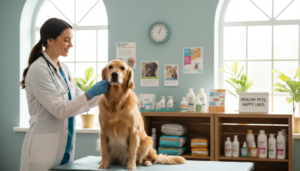
Your veterinarian will run tests such as blood work, X‑rays, and abdominal scans to find the causes. Common issues include pancreatitis, infections, or an intestinal blockage.
| Symptom | Possible Cause | Recommended Action |
|---|---|---|
| Vomiting | Gastroenteritis, toxins | Contact veterinarian; bring recent food/treats info |
| Distended abdomen | Bloat, obstruction | Emergency exam and imaging |
| No food water for days | Obstruction, systemic illness | Immediate emergency care |
| Loud stomach gurgling | GI upset, pain | Vet assessment and supportive care |
Provide accurate information about how many days your companion has been off food and any recent treats, meds, or exposure. VEG ER for Pets offers 24/7 emergency care if an urgent visit is needed.
Conclusion
, A missed meal often signals stress, a mild stomach upset, or a simple change at home.
Most cases resolve with small routine shifts. Keep a steady feeding schedule and limit treats so regular food stays appealing.
Watch appetite for 48 hours. If lack of interest persists, contact your veterinarian or local vet for prompt care and clear information.
Staying observant and acting early protects long-term health. Your vet remains the best partner in keeping dogs happy, fed, and well cared for.