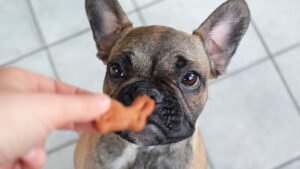
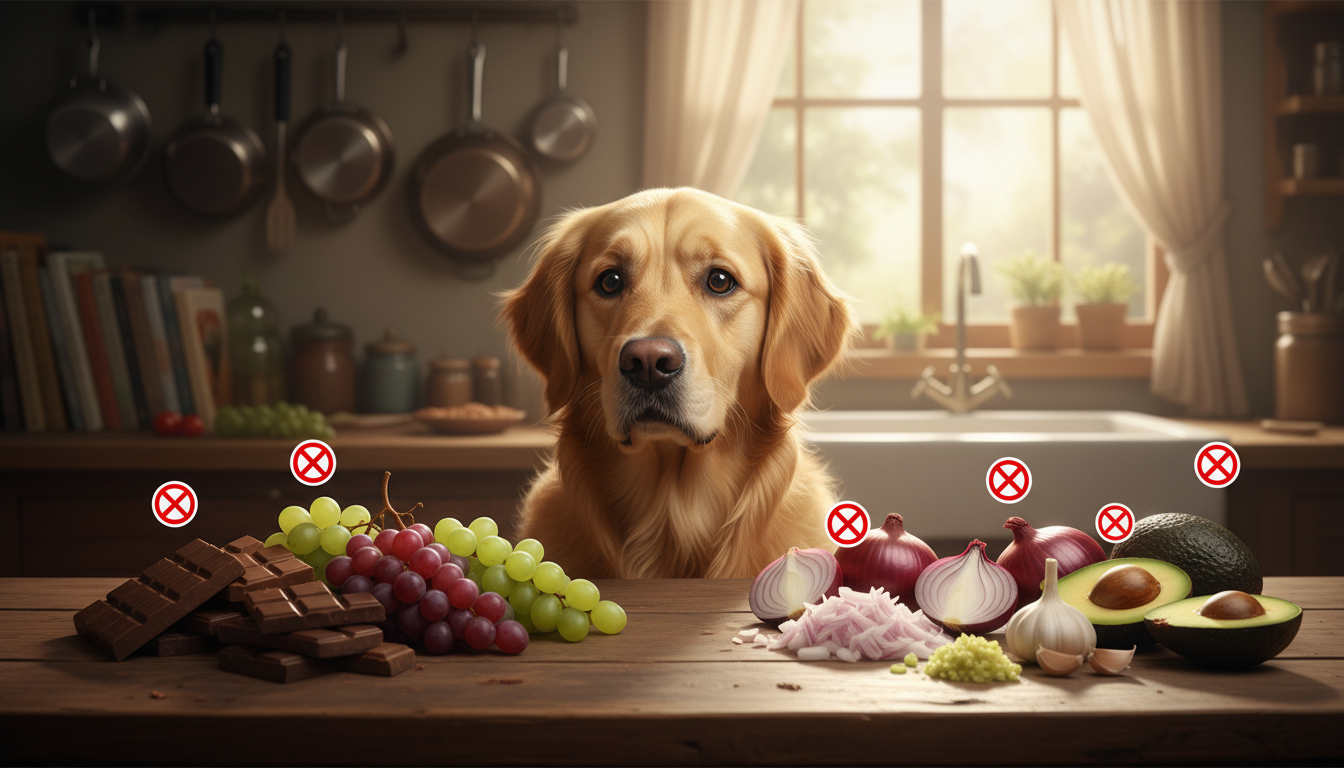
You might remember the night your friend slid a scrap from the table and your dog snapped it up with hopeful eyes. That small moment once sent a neighbor’s Labrador to the clinic after chocolate and grapes were involved. Veterinarians warned, on April 29, 2026, that sharing table scraps can cause serious harm.
Protecting your pet starts with knowing risky items. Even tiny amounts of some ingredients can trigger an emergency vet visit. If your dog eats something questionable, call the Animal Emergency Service or your local vet without delay.
This guide will help you spot dangerous foods and swap in safe, dog-friendly treats. Keep a close eye on snacks and pantry staples—your quick choices can keep your loyal companion healthy.
Key Takeaways
- Sharing table scraps can lead to life-threatening reactions and emergency care.
- Call Animal Emergency Service or your vet right away if you suspect ingestion.
- Learn common dangerous items and safer treat options for your dog.
- Small amounts of some food cause big problems—vigilance is vital.
- Nutrition needs differ between people and pets; avoid risky human food.
Understanding Why Human Foods Are Toxic to Dogs Complete Safety List
Dogs handle many kitchen ingredients very differently than people, and that gap can be dangerous.
Their digestion and liver enzymes work another way. That means common items you eat can stress a dog’s system. Vets warned that even tiny amounts of certain food can cause severe reactions and long-term health problems.
Many everyday ingredients lurking in your pantry can upset digestion or harm organs over time. You should read labels before sharing snacks and avoid anything with hidden sweeteners, spices, or additives that harm pets.
Protecting your dog starts with simple rules: keep risky items out of reach, teach family members not to share table scraps, and call your veterinarian if you suspect ingestion.
- Remember unique metabolic pathways make dogs less able to process some human foods.
- Small bites can still trigger serious reactions—early action matters.
- Prioritize your pet’s health to avoid emergency trips and costly treatment.
The Dangers of Chocolate and Caffeine
Cocoa and coffee contain compounds that dogs break down far more slowly than people.
Theobromine and caffeine are stimulants found in chocolate and many household beverages. Your pet’s metabolic system struggles to clear these chemicals. That can lead to serious heart and neurological issues.
Theobromine and Caffeine Toxicity
Both methylxanthines build up after ingestion. Even small amounts of dark or baking chocolate carry high risk, especially for small breeds and puppies.
- Sources: chocolate, coffee, tea, energy drinks, some sodas.
- Effects: increased heart rate, tremors, restlessness.
- Severity rises with the amount and the chocolate type.
Signs of Chocolate Poisoning
Watch for symptoms such as vomiting, diarrhea, tremors, seizures, or abnormal heart rhythm. If you spot these signs, act fast—theobromine toxicity is an emergency.
| Type | Theobromine mg/oz | Risk for Small Breed | Typical amount causing harm |
|---|---|---|---|
| White chocolate | Trace | Low | Large amounts |
| Milk chocolate | 44 | Moderate | 1–2 oz |
| Dark chocolate | 150–450 | High | Even small amounts |
| Baking chocolate | 400–1600 | Very high | Fraction of an ounce |
Store chocolate and caffeinated items securely and call your vet immediately if ingestion occurs. Quick action protects your pet’s long-term health.
Why Grapes and Raisins Pose a Serious Threat
Even tiny handfuls of grapes or raisins may trigger sudden, severe illness in your dog.
Grapes and raisins contain an unidentified toxin that can cause rapid kidney failure in some animals. Signs sometimes appear within 24 hours of ingestion. Because reactions vary widely, you cannot predict which pet will be affected.
Watch for symptoms such as vomiting, lethargy, and reduced urination. These signals can mean the kidneys are failing and prompt treatment is critical.
- Even a small amount may cause severe illness in some dogs.
- Experts advise avoiding these fruits entirely for the safety of your pet.
- Contact your veterinarian immediately if you suspect ingestion; early care improves chances of recovery.
| Item | Risk Level | Typical Onset | Recommended Action |
|---|---|---|---|
| Fresh grapes | High | 6–24 hours | Call vet, induce evaluation |
| Raisins | High | 6–24 hours | Urgent veterinary care |
| Grape products (juice, jelly) | Moderate–High | 6–24 hours | Avoid, consult vet if eaten |
Allium Family Hazards Including Onions and Garlic
Hidden seasonings—like garlic powder—pose real risk for your dog’s circulation.
Onions, garlic, leeks, and chives contain thiosulphate, a compound that damages red blood cells in dogs. This can lead to haemolytic anemia, where blood cells burst and oxygen delivery falls.
Signs may be subtle at first. Watch for weakness, pale gums, and a fast heart rate. Because symptoms can appear days after exposure, keep monitoring your pet closely.
- The Allium family is far more toxic to dogs than many plants; even small amounts, eaten repeatedly, can cause serious harm.
- Red blood cells are crucial for oxygen transport; their destruction can make a dog collapse or struggle to breathe.
- Remove any seasonings or scraps that contain onion or garlic and check ingredient lists on packaged food.
| Item | Risk Level | Typical Effect | Recommended Action |
|---|---|---|---|
| Raw onion | High | Haemolytic anemia, pale gums | Call vet; monitor for 72 hours |
| Garlic (fresh or powder) | Moderate–High | Delayed red blood cell damage | Avoid; seek advice if eaten |
| Leeks & chives | Moderate | Weakness, rapid heart rate | Remove access; consult vet if signs appear |
The Hidden Dangers of Xylitol in Household Products
A single chew of sugar-free gum or a spoon of some peanut butter can spark a medical crisis for your dog.
Xylitol is a common sugar substitute found in chewing gum, candy, sugar-free baked goods, and some peanut butter brands. Ingesting it causes a rapid insulin release in dogs that can plunge blood sugar to dangerous levels within 30 minutes.
If your pet eats a snack containing xylitol, early signs include vomiting, loss of coordination, and weakness. These symptoms can quickly progress to seizures and liver failure. Immediate veterinary attention is essential.
- Make sure to read ingredient labels on peanut butter and sugar-free products.
- Keep all xylitol-containing products out of reach and educate family members.
- Offer only veterinarian-approved treats instead of risky human food products.
| Product | Risk | Typical Onset |
|---|---|---|
| Chewing gum / mints | High | 15–30 minutes |
| Sugar-free peanut butter | High | 15–60 minutes |
| Some candies & baked goods | Moderate–High | 30–60 minutes |
Risks Associated with Alcohol and Yeast Dough
Alcohol and raw dough are two kitchen items that can quickly become dangerous for your dog.
Alcohol Absorption Risks
Even small amounts of beer, wine, or liquor hit a dog’s nervous system hard. Their livers clear ethanol much slower than yours. That leads to disorientation, slowed breathing, low body temperature, and vomiting.
If a dog inhales a spill or licks a forgotten cup, rapid decline can follow. Severe cases cause coma or death. Seek emergency veterinary care if you see confusion, tremors, or breathing trouble.
Dangers of Raw Bread Dough
Raw yeast dough continues to rise in the stomach and ferments into alcohol. This produces ethanol inside the belly and can cause painful bloating.
Bloat may progress to stomach twisting, a life-threatening condition needing urgent surgery. Watch for hard abdomen, retching without bringing up food, and pacing. Never leave dough or baking products within reach of your pets.
- Keep alcohol and raw dough locked away.
- Call your vet or emergency clinic at the first sign of toxicity or bloating.
Why You Should Avoid Feeding Your Dog Fatty Scraps and Bones
Greasy leftovers and brittle bones may look harmless but pose real risks for your dog.
Fatty table scraps like bacon, buttered rolls, and fried food can trigger pancreatitis. This is painful and sometimes life-threatening. Dogs often vomit severely and may need urgent care.
Cooked bones splinter easily. Sharp fragments can cut the mouth, throat, or intestines. They can also cause blockages that require surgery.
- Feeding fatty scraps raises obesity and pancreatitis risk, which hurts your pet’s quality of life.
- Make sure you never give cooked bones; they fracture and choke or puncture the gut.
- Even small amounts of greasy leftovers can upset digestion—choose vet-approved treats instead.
- If you share slices of food, cut them into tiny pieces, remove excess fat and salt first.
Avoiding fatty scraps and bones protects your dog from chronic illness and sudden emergencies. When in doubt, toss the table treat and offer a safe, recommended snack.
Recognizing Symptoms of Food Poisoning in Your Pet
Knowing the first clues of poisoning helps you act fast when your pup shows odd behavior after eating.
Gastrointestinal distress usually appears first. Watch for repeated vomiting, diarrhea, or excessive drooling. These signs can show up within minutes or a few hours after ingestion.
Gastrointestinal Distress
Persistent vomiting or loose stools indicate the digestive system is upset. If your dog keeps throwing up, call your veterinarian.
Neurological Signs
Tremors, seizures, loss of coordination, or sudden collapse are red flags. These signs may follow exposure to chocolate, xylitol, or caffeine and demand immediate action.
Physical Indicators of Emergency
Rapid breathing, a fast heart rate, pale gums, or weakness show the body is under stress. Blood problems can follow some toxins; get emergency care if you see these symptoms.
- Notice subtle changes—lethargy or odd behavior can be an early clue.
- Always call a vet when in doubt; timely care reduces harm.
Conclusion
Smart storage and mindful sharing stop many dangerous incidents before they start. Act fast, and you cut the chance of an emergency for your pet.
Keep common risky items out of reach. Chocolate, grapes, onions and xylitol products can cause serious organ failure. Milk and dairy often upset digestion, and peanut butter may hide xylitol.
Avoid giving bones, butter-soaked scraps, or sugar snacks that can lead to pancreatitis or choking. Watch for any odd signs after your dog eats something new.
If you suspect poisoning, call your vet right away. Staying informed and cautious keeps your companion healthy and happy.