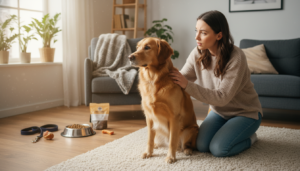
You just brought home a pup and the first night in your high-rise felt like a small adventure. You woke up, guided a yawning dog down the hallway, and discovered that house learning is as much about routine as it is about patience.
That early morning walk taught you something simple: accidents happen, and they won’t ruin the bond you are building. With a steady schedule and a clear potty spot, your dog learns what belongs where.
Living in limited space means watching for signs your pup needs a break, like sniffing or circling the room. Use short, frequent outings and positive praise. Never punish an accident — that only makes the process harder.
Key Takeaways
- Set a consistent schedule for regular potty breaks.
- Watch for signs that your pup needs out, such as sniffing or circling.
- Use one designated spot and give access often, even every few minutes.
- Prevent accidents with praise and no punishment.
- Short outings and patience make training puppy in small spaces work.
Understanding the Basics of Puppy Bladder Control
Young dogs have tiny bladders, so planning breaks around their needs is essential.
Bladder Capacity Guidelines
An 8-week-old pup usually holds urine for about 2 hours. By 12 weeks that window often extends to roughly 3 hours. These are averages, not guarantees, so expect variability between pets.
Using a crate helps. Dogs tend to avoid soiling the place where they sleep, so a properly sized crate teaches hold times and reduces accidents in your house.
Recognizing Early Warning Signs
Watch for circling, sniffing, pacing, or sudden whining. These are clear signs your pup needs a bathroom break right away.
“If your dog starts pacing or whining, act quickly — short outings prevent many accidents.”
| Age | Typical Hold Time | What you should do |
|---|---|---|
| 8 weeks | ~2 hours | Offer breaks often and use a crate for short periods |
| 12 weeks | ~3 hours | Stick to a consistent schedule and monitor signs closely |
| Developmental note | Improves with age | Keep training steady; expect fewer accidents over time |
- Keep your pet in a small area for easier monitoring.
- Set a simple schedule for frequent potty breaks and access to the spot.
- Remember that learning bladder control is part of normal puppy training.
How to Potty Train a Puppy Fast in an Apartment Step by Step
Set a short, regular rhythm for outings so your new dog learns where to go and when.
As Cathy Madson, MA, FDM, CBCC-KA, CPDT-KA notes, a consistent routine is the backbone of successful puppy training. Take your pup to the same potty spot every 30 minutes during early days.
If your puppy does not go within five minutes, calmly return them to the crate for 10–20 minutes, then try again. This brief timeout helps teach bladder control and reduces accidents in the house.
Keep your dog on a leash during each outing. That prevents distractions and helps your pet focus on the task.
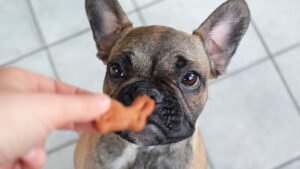
Reward success right away with treats and warm verbal praise. Immediate reinforcement links the action with the reward and speeds learning.
“Follow a steady schedule, reward quickly, and be patient — every pup learns at its own pace.”
- Visit the spot every 30 minutes.
- Wait five minutes; if nothing happens, use a short crate break.
- Use leash, treats, and praise for clear feedback.
This process takes time, but with routine and calm rewards your puppy will pick up the rules and reduce accidents.
Setting Up Your Indoor or Patio Potty Station
A tidy, predictable potty station gives your dog a reliable place inside or on the porch.
Choosing Between Pee Pads and Grass Patches
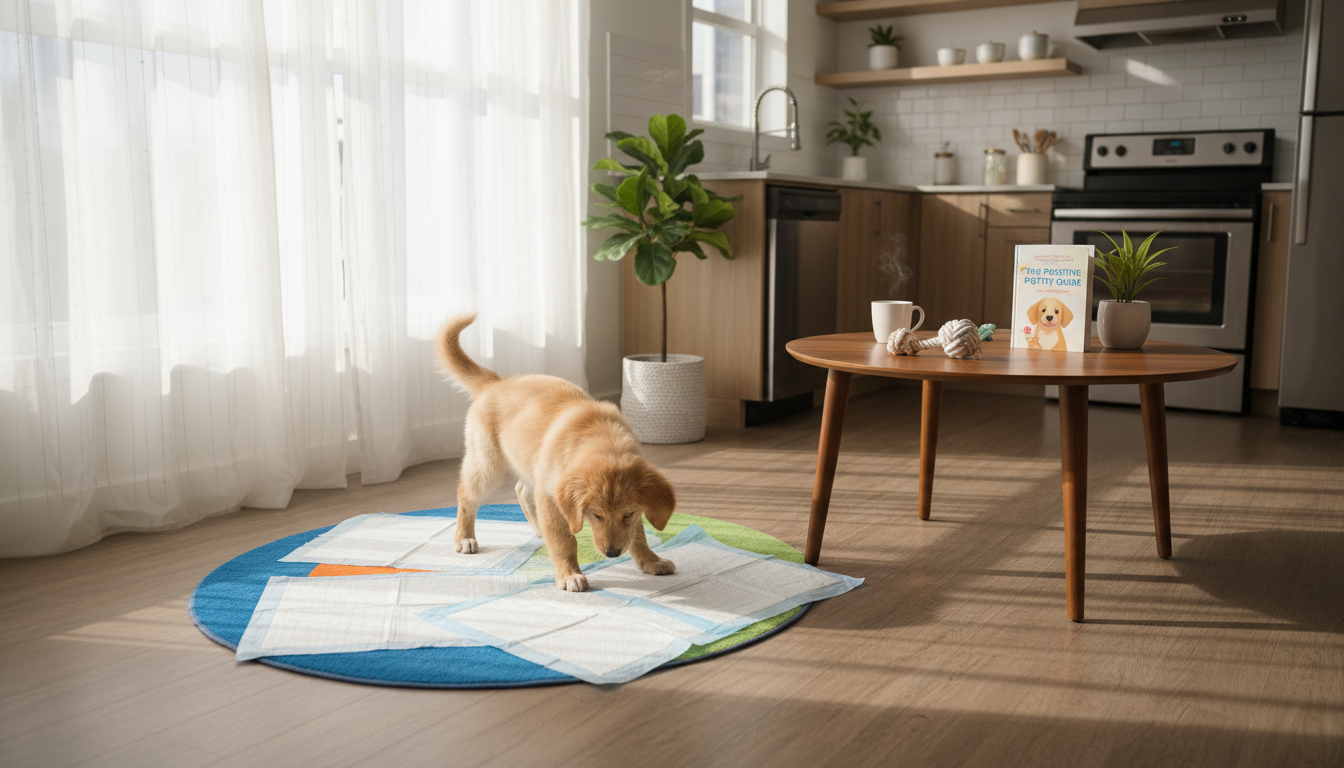
Pee pads save space and work well near the door so your puppy links the spot with going outside later.
Many dogs prefer real grass, which eases the move outdoors and feels natural as your pup grows.
Creating a DIY Porch Potty
Use a tray, turf or a small patch of real grass and place it where your puppy has clear access.
Train the dog to the same spot and keep the area consistent with your schedule for best results.
Maintaining Hygiene and Odor Control
Clean often. Remove waste and wash the surface weekly so your pet keeps using the place.
The PetFusion waste station has a locking lid and charcoal filter. This helps reduce bathroom odors in tight space.
| Option | Pros | Cons |
|---|---|---|
| Pee pads | Compact, cheap, easy near door | May teach indoor elimination long-term |
| Real grass patch | Feels natural, eases outdoor transition | Needs regular cleaning and replacement |
| Waste station (PetFusion) | Odor control, sealed lid, apartment-friendly | Higher cost, needs cartridge changes |
“Keep the spot clean and consistent. Easy access and quick rewards help your puppy learn faster.”
Establishing a Consistent Feeding and Potty Schedule
Set clear mealtimes and you’ll gain a reliable window for bathroom breaks. A steady feeding routine helps you predict when your puppy needs relief, often within five to ten minutes after eating.
Pair meals with short outings. Take your pup out right after naps and play sessions to prevent indoor accidents. If you use a crate, avoid long confinement and give regular breaks.
Tracking Progress with a Potty Log
Keep a simple log of meals, nap times, and elimination. Note the minute you take your dog out and where they go.
- Predictable feeding narrows down likely potty times.
- Record each success and every accident so patterns emerge.
- Adjust the schedule as your pup grows and hold times lengthen.
Always offer immediate praise and a small treat when your puppy uses the correct spot. This clear feedback speeds training and reduces messy surprises.
Managing Accidents and Cleaning Effectively
A single smell can pull your pup back to the same place, so prompt action matters. If your puppy has an accident, clean it right away with an enzymatic cleaner like Nature’s Miracle or Skout’s Honor. These products remove odors dogs use as maps.
Stay calm. Never punish puppy for an accident. That teaches hiding behaviors and slows training. Instead, note any signs such as circling or sniffing and move them quickly toward the door or the designated spot.
If accidents repeat in one room, limit access. Use a crate when you cannot supervise. A properly sized crate helps prevent mishaps and keeps your home clean while you work on routines.
- Clean immediately with an enzymatic spray to remove lingering smells.
- Watch for simple signs and act fast to redirect your dog.
- Restrict access or use a crate when needed to reduce repeats.
“Managing accidents is part of the process—consistent cleaning and calm reactions help your pet learn where the bathroom belongs.”
Troubleshooting Common Training Setbacks
When your young dog regresses, the fix is usually simple: slow down and return to clear, short routines.
Addressing crate accidents
If your pup soils a crate, first check size. Too much open space invites one corner to be a bathroom.
Make the crate snug, with room to stand and turn but not much more. That reduces accidents and teaches hold times.
Growth and stress can change bladder control. Irith Bloom, CPDT-KSA, says this is common.
Go back to basics: shorten the interval between potty breaks. Add one or two outings each day until your dog steadies.
“Regression does not mean failure. Rebuild the routine and your pup will rebound.”
| Issue | Likely cause | Quick fix |
|---|---|---|
| Crate accidents | Crate too large or unsupervised time | Reduce crate space; more frequent checks |
| Frequent daytime accidents | Bladder limit changed during growth | Increase potty breaks; log times |
| Accidents in one room | Smell cues or too much access | Limit access; deep clean with enzyme cleaner |
- Keep calm and consistent.
- Review schedule, then add short potty breaks.
- Limit room access until habits improve.
Conclusion
Small, frequent outings and quick rewards build reliable habits in a young dog.
Potty training your puppy in a tight space is doable with steady routine, calm praise, and clear access. Keep short schedules, watch for signals, and reward successes right away.
Consistency matters. Stay patient, avoid punishment, and track progress. With time and care your puppy will learn where to go and accidents will drop.
For more practical tips and related guides, visit about SmartPetTips and find clear, friendly advice that fits apartment life.